What is JBBY?

Japanese Board on Books for Young People (JBBY) was established in 1974 in accordance to the International Board on Books for Young People (IBBY), a non-profit organization which represents an international network of people from all over the world, who are committed to bringing books and children together. Since the establishment, JBBY has been active in international cooperative programs and as IBBY’s section in Japan.
JBBY aims to give children access to books with high literary and artistic standards and to encourage the publication and distribution of quality children’s books.
JBBY OFFICE
1-32-5F, Kandajimbocho, Chiyoda-ku
Tokyo 101-0051 Japan
info@jbby.org
■ JBBY main activities supported by the members
- Activities as a section of IBBY
- Nominating Japanese author and illustrator for the Hans Christian Andersen Award
- Selecting works for the IBBY Honour List
- Recommending books for IBBY Outstanding Books for Young People with Disabilities/ IBBY Silent Books
- Campaign of ICBD: publishing and distributing Japanese version of ICBD poster and message to more than 3500 libraries throughout Japan
- Participating and Exchanging Information at the IBBY Regional Meeting
- Recommending Japanese art works for BIB
- Activities undertaken in connection with IBBY
- Traveling Exhibition of IBBY Honour List and H. C. A. Awards
- Travelling Exhibition of Outstanding books for Disabled Young People
- Publishing Japanese edition of IBBY’s book catalog, IBBY Honour List; IBBY Selection of Outstanding Books for Young People with Disabilities
- ICBD Festival: workshops, book talks, exhibitions, lectures, and events at the end of March in Tokyo
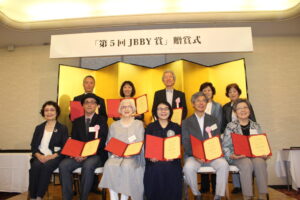
- Giving JBBY Awards: to writers, illustrators, translators and publishers whom JBBY recommend for overseas awards.
- CBBY/KBBY/JBBY Joint project (new project since 2019): exchanging the information of good books on the theme of the year: the first theme was environment
- JBBY Original Activities
- Publishing quarterly journal called Book & Bread
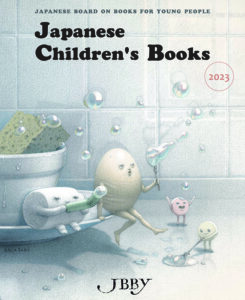
- Publishing yearly book catalog Japanese Children’s Books in English and in Japanese
➡ Earlier catalogs (pdf) can be found
➡ Online database of selected books - Publishing yearly book catalog Outstanding Translated Children’s Books
- Seminar for young editors of children’s Books
- Seminar on world Children’s Books
- Symposium on translated children’s books
- Study group of nonfiction books
- JBBY Hope Project
- Seminar on children in crisis in Japan: poverty, abuse, violence, shelter, disaster…
- Book donation: to juvenile prison, temporary shelter, and nursing home
■ JBBY news in English